
Data Velocity Versus Human Systems

An insight is only as valuable as the speed at which you can act on it.
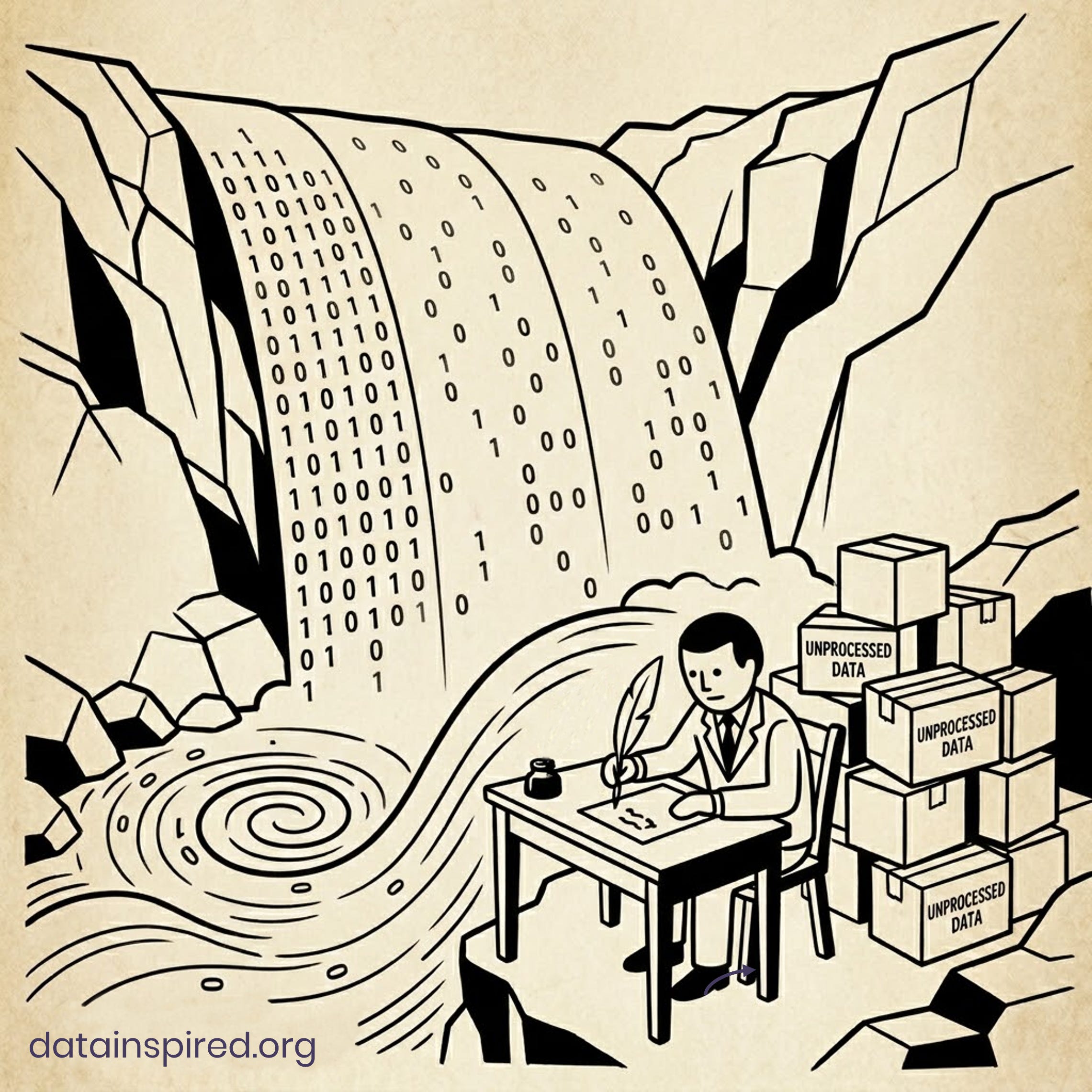
Yet most organizations treat data and organizational design as two separate workstreams. They spend millions building high-velocity insight engines, only to plug them into decision-making processes built for a different era. The result is high-bandwidth intelligence hitting a low-bandwidth receiver.
When real-time data hits a non-receptive cultural operating system, the value of the technology decays immediately. It doesn’t matter how sophisticated your model is if the output has to sit in a “waiting room” of congested inboxes, validation hurdles, and alignment cycles that function as institutional dampeners.
We often overlook this because we intuitively believe it’s easy to change minds if we just have the “right” data. However, in any human system, stability is the default, not a hunger for constant transformation. Unless an organization is explicitly engineered for receptivity, its natural state is to resist the signal until the momentum of the data is neutralized.
This isn’t due to bad intentions; it is simply human psychology. We are hard-coded for homeostasis, instinctively slowing down the clock until a new reality feels “safe” enough to process.
Becoming data-driven, therefore, is not a software update; it is a structural redesign of the human system. If your organization’s mindset isn’t as elastic as your cloud computing, you haven’t bought a competitive advantage. You’ve simply purchased an expensive, high-definition view of the opportunities you are too static to seize.
Invest in data? Absolutely. But don’t forget to re-engineer your decision architecture so that your people can move at the same speed as your tech stack.
